

Dock Design in Australia
A CXO Thought Leadership Interview
w: Nathan Rose
Business Development Manager - WA/SA
Interviewed by: Ben Oliver

B: Tell me a little bit about yourself and your experience in the Loading Dock space. How did it start, and now how long have you been involved in dock design at Safetech?
N: I started working in the loading dock space in 2012 with Tieman, which later merged with Safetech in 2013. Since then, I’ve been responsible for dock solutions across WA and SA, working closely with customers, designers, and operators to deliver safe, practical, and future ready dock designs.
Over that time, I’ve seen a significant shift in how loading docks are viewed. That experience gave me a strong appreciation for how critical good dock design is. Not just for efficiency, but for protecting people, product, and operations.
Today, my focus is on helping customers move beyond seeing dock levellers as a simple piece of equipment, and instead understanding them as a core part of a fully engineered dock system.
What motivates me most is knowing how central docks are to everyday life, around 90% of groceries will cross a dock leveller at some point, and yet how invisible that infrastructure often is. A big part of my role is helping customers better understand docks, challenge legacy assumptions, and design solutions that are safer, more efficient, and fit for how supply chains operate today.
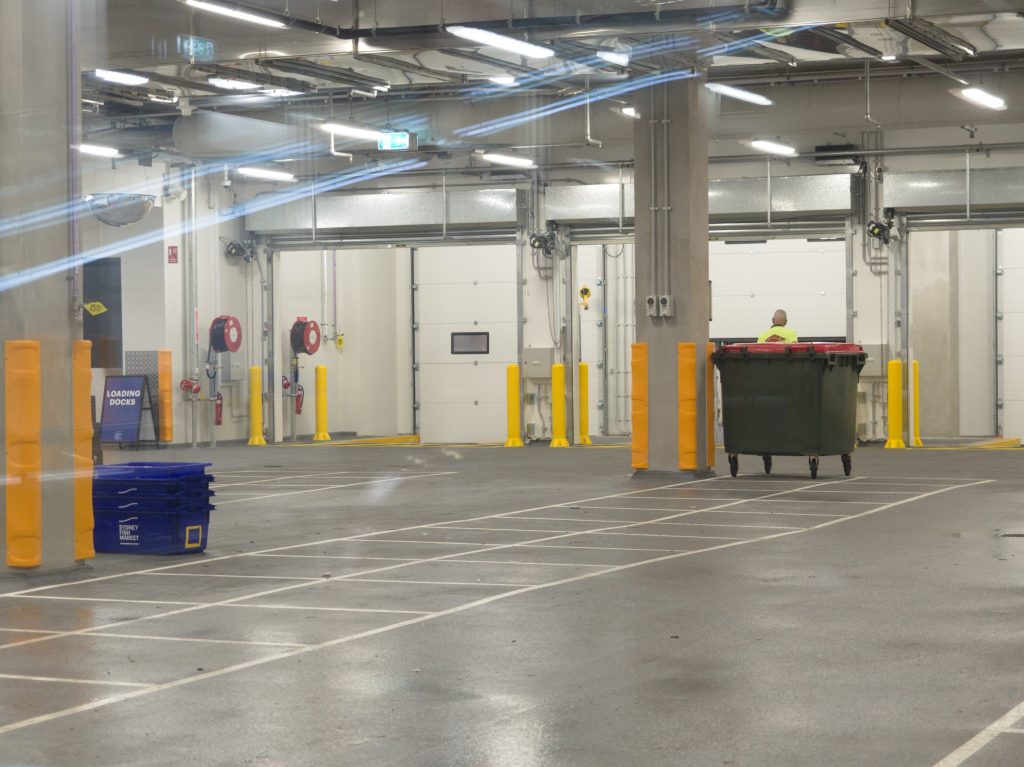
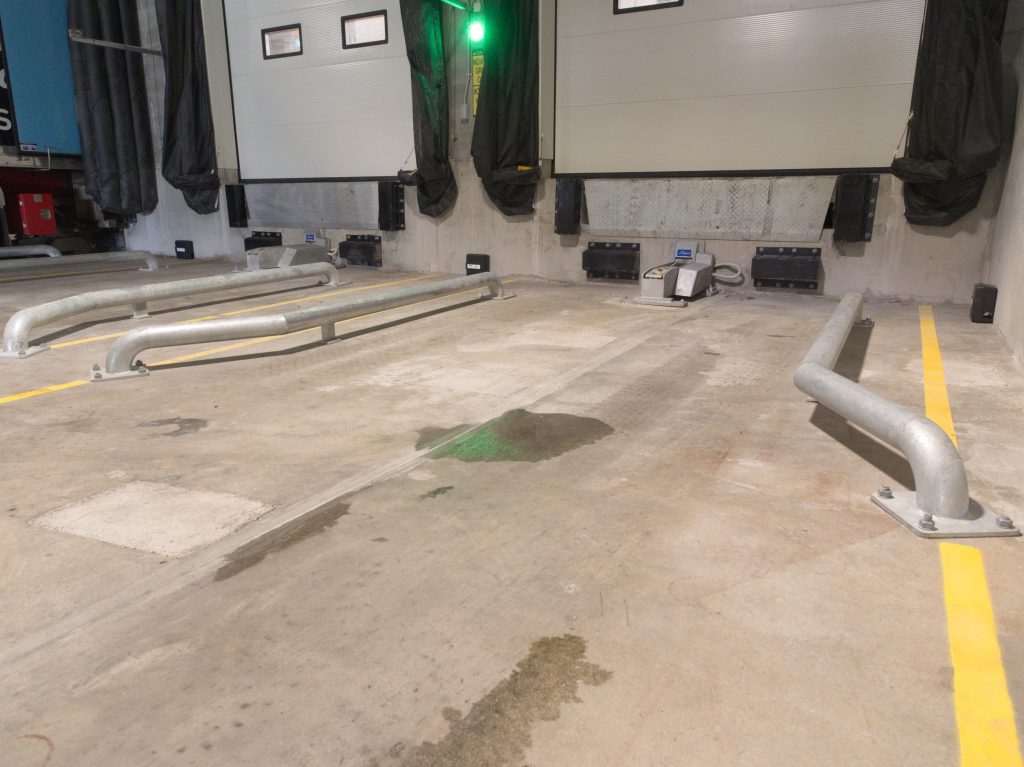
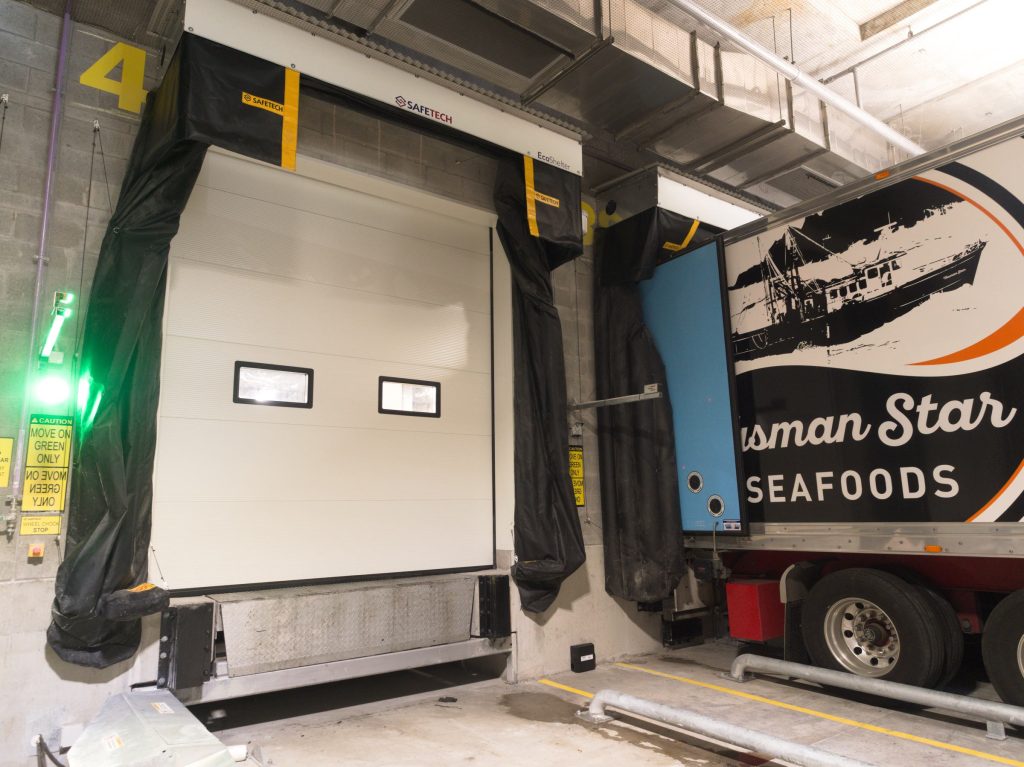
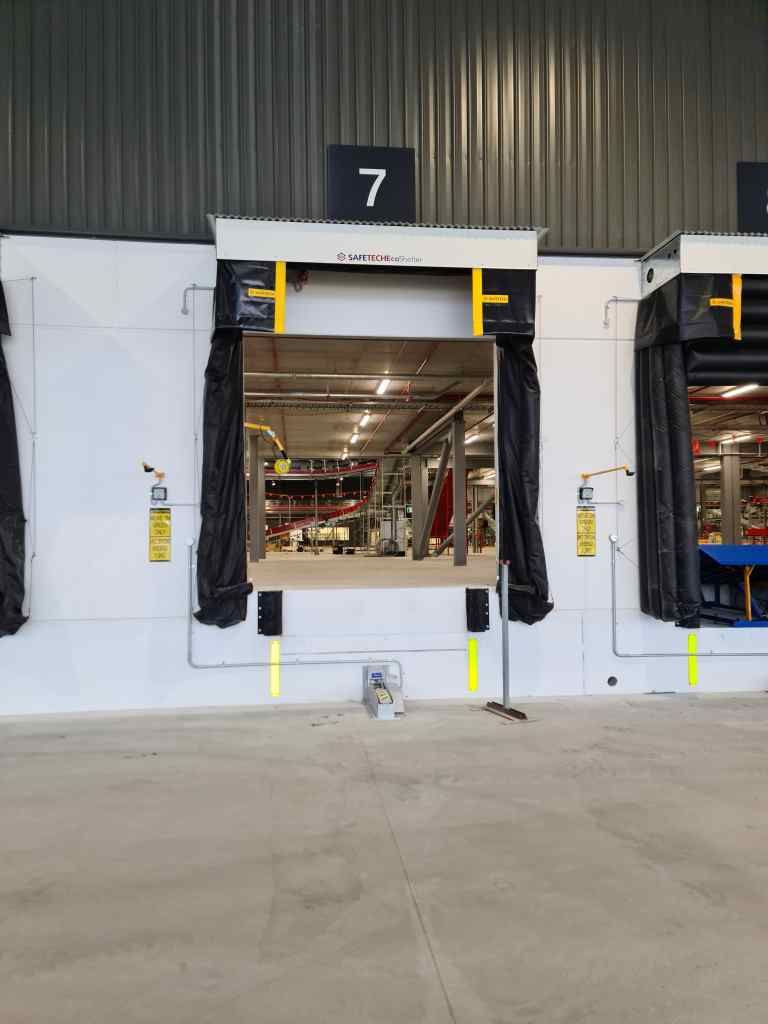
B: From your earliest days in the space, what surprised you the most about traditional/older loading dock practices?
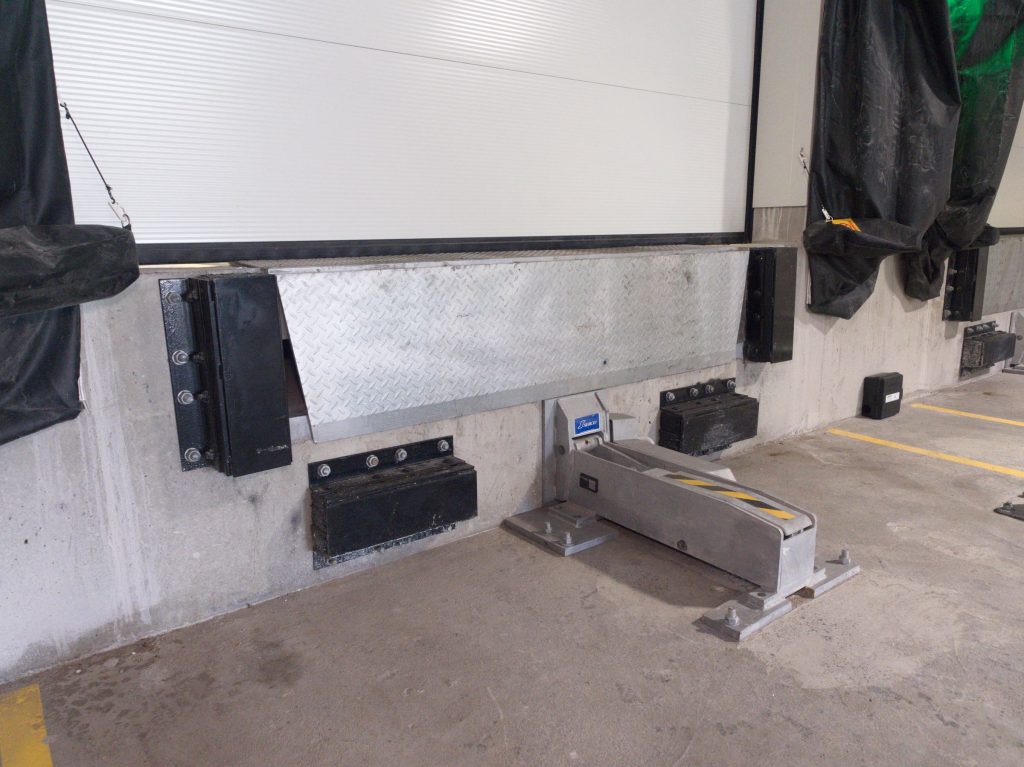
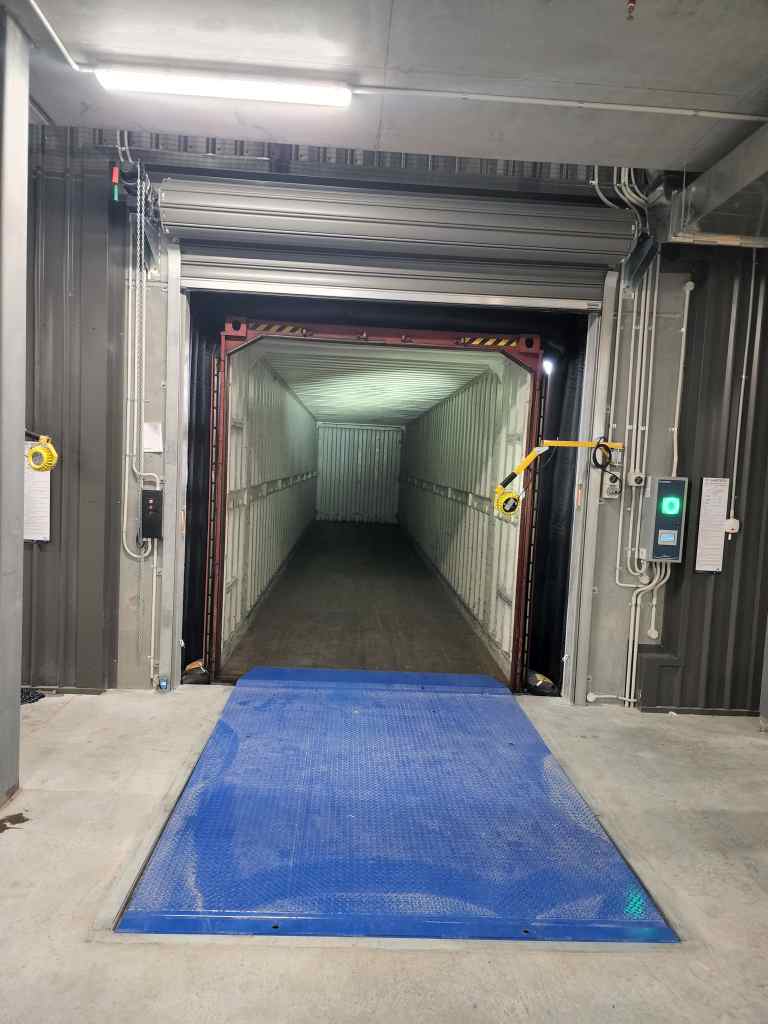
N: What surprised me most was how much risk we accepted in the past. Today, dock levellers aren’t just about bridging a gap, they’re a key part of a fully engineered safety and efficiency system that protects people and products.
Operation & Ergonomics
Older dock levellers were often manual, requiring operators to use their body weight to lower the plate. This created obvious manual handling risks and relied heavily on correct technique.
Safety Expectations
Historically, safety wasn’t a primary focus, many docks had little to no edge protection, minimal enforcement of safe loading practices, and relied on procedural controls.
Capacity & Range
Older levellers were designed for smaller, more uniform trucks with limited load ranges.
Integration with Dock Design
In the past, the dock leveller was often treated as a basic accessory.
Today, it’s a critical component of dock flow, integrated with restraints, seals, level access, and even dock management systems to improve efficiency, safety, and compliance.
Hygiene & Environmental Control
Older docks offered little consideration for temperature control or food safety, which is surprising when you realise that around 90% of groceries pass over a dock leveller at some point.
Modern levellers are designed to support cold chain integrity, better sealing, pest control, and energy efficiency — particularly critical in food, pharma, and cold storage environments.
B: Around the time of COVID-19, we saw a huge explosion in warehouse and DC builds. Can you talk more about this trend and how it has influenced the dock market?
N: Around the time of COVID 19, we saw an unprecedented surge in warehouse and distribution centre construction, driven largely by the rapid shift to online purchasing and the need for more resilient supply chains. This had a significant impact on the dock market. Many retailers that historically operated from store based docks suddenly required dedicated inbound and outbound docks, and in some cases entire facilities built specifically for online operations.
As volumes increased and turnaround times tightened, docks became far more operationally critical. There was a much greater focus on controlling truck movements and dock scheduling, which accelerated the adoption of vehicle restraints, traffic light systems, and interlocked safety controls. The growth of high throughput DCs also pushed demand for standardised, repeatable dock designs that could be rolled out nationally but still handle a wide mix of vehicle types and delivery profiles.
B: As environmental requirements and expectations grow, how has that changed what we offer, and what challenges have we as a business overcome to cater for this?
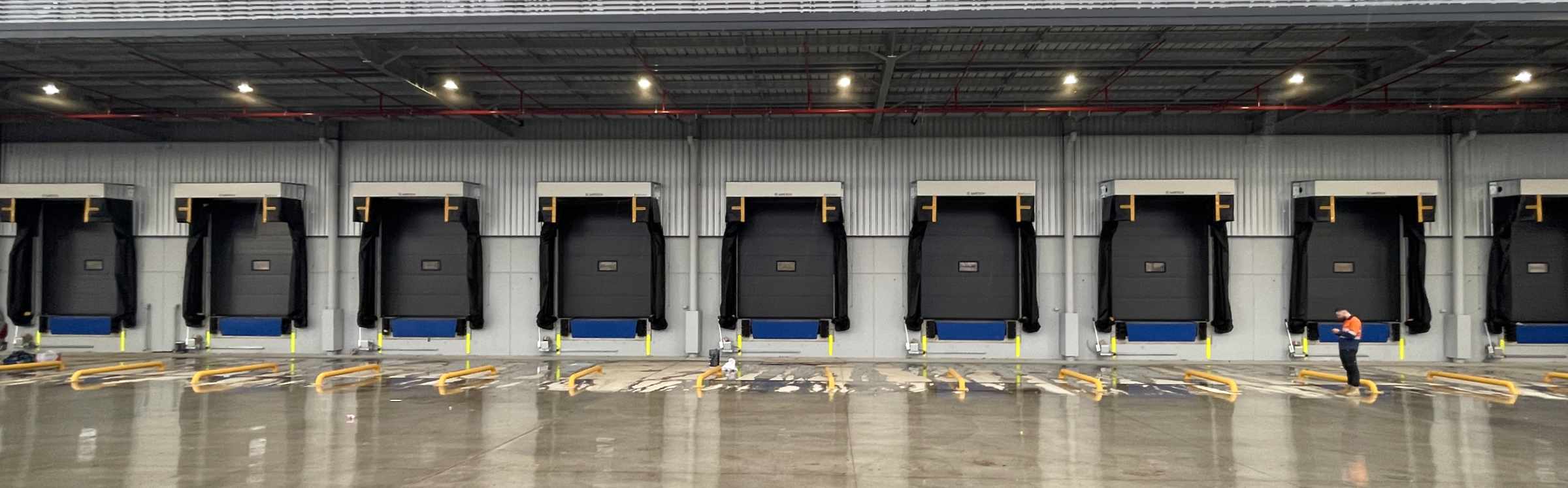
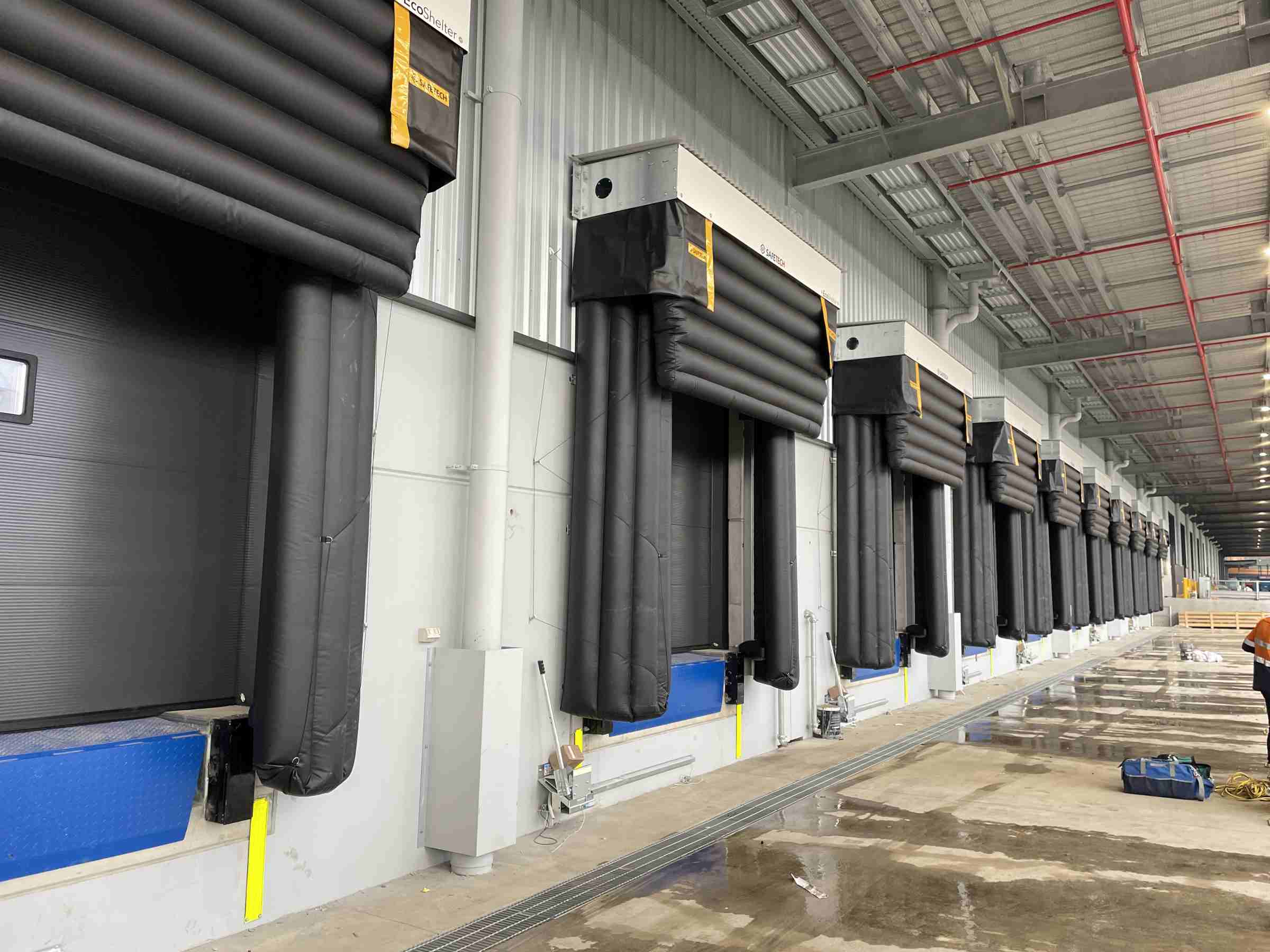
N: As environmental requirements have become more stringent and customer expectations have grown, what we offer at the dock has changed significantly. There is now a much stronger focus on energy efficiency, emissions reduction, and protecting temperature-controlled environments, particularly in cold storage and food distribution.
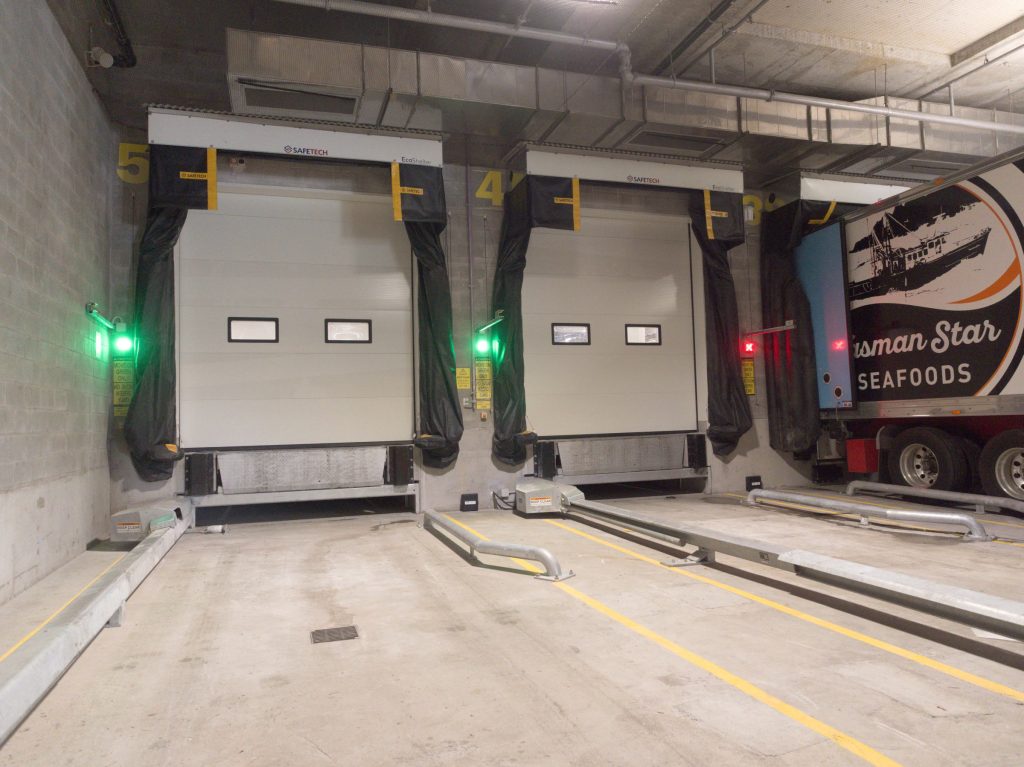
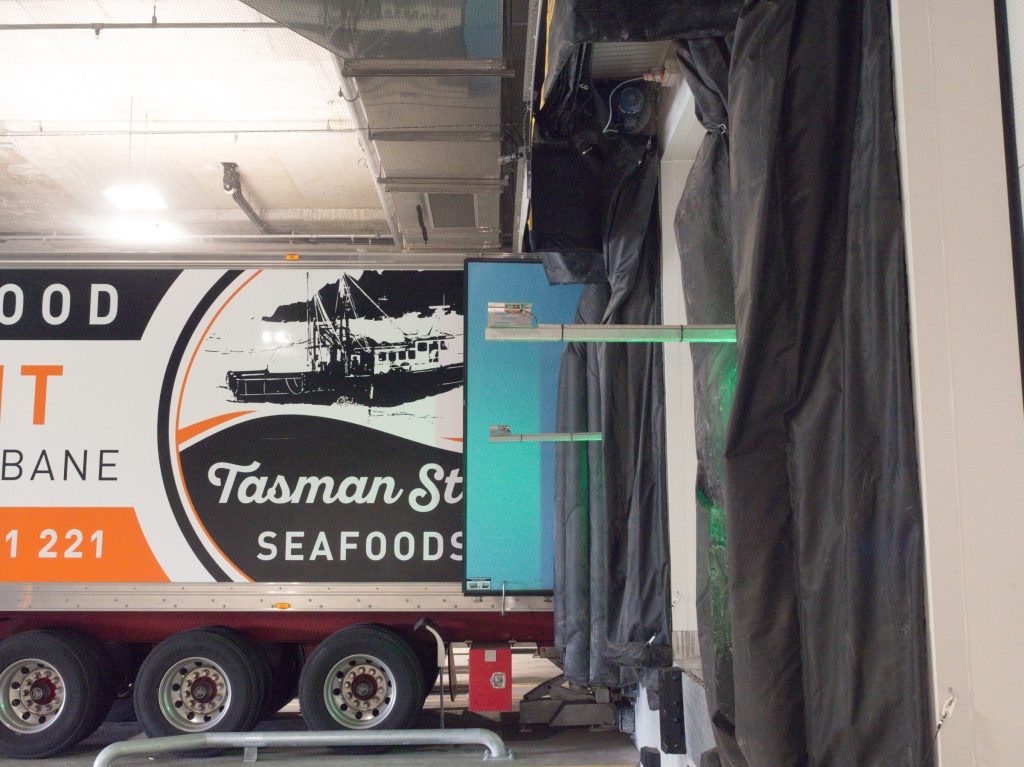
From a product perspective, that’s driven increased demand for better sealed dock systems, including insulated dock levellers, tighter fitting dock shelters, and vehicle restraints that allow trailers to remain securely docked with doors closed until restraint engagement. This is critical for maintaining cold chain integrity, reducing temperature loss, and lowering the energy load on refrigeration systems. Environmental performance is no longer just a nice to have, it’s a core part of how docks are specified.
One of the key challenges we’ve overcome as a business is helping customers move from viewing these requirements as purely operational costs to understanding them as long term efficiency and compliance improvements. Many sites were not originally designed for modern cold chain standards, so we’ve had to work closely with customers to retrofit solutions that improve sealing, safety, and environmental performance without disrupting operations.
We’ve also had to adapt to increasingly complex compliance requirements, ensuring our dock solutions integrate safety, hygiene, and sustainability outcomes. This has meant investing in product development, education, and earlier engagement with designers and end users, so environmental considerations are built into dock design from day one rather than added later.
B: how do you see the space evolving in the future? What products or services do you see becoming a critical part of dock design?
N: Looking ahead, I see docks continuing to evolve from static infrastructure into connected, intelligent systems that play a much bigger role in safety, efficiency, and data driven decision making.
One of the biggest shifts will be the increased use of dock management and interlocking systems. We’re already seeing more demand for solutions that connect levellers, vehicle restraints, traffic lights, and doors into a single controlled sequence. In the future, this will extend further into dock management software, giving customers real time visibility of dock status, truck movements, dwell times, and safety events. That data will become critical for improving throughput, labour planning, and compliance.
Automation will also continue to influence dock design. As warehouses adopt automated handling equipment, robotics, and autonomous vehicles, the dock needs to provide a more consistent and predictable interface. That means tighter tolerances, better controlled vehicle positioning, reliable leveller performance, and safety systems designed to protect people working alongside automation.
Flexibility will remain critical as fleets continue to change. Future dock designs will need to safely accommodate an even wider mix of vehicle types, including alternative fuel trucks, electric vehicles, and new last mile delivery formats. That will drive greater emphasis on adjustable levellers, step down solutions, and adaptable dock layouts.
Overall, I see the dock becoming less of a standalone product set and more of a strategic system, one that integrates safety, automation, environmental performance, and data. The sites that get this right will see docks as a competitive advantage, not just a cost of doing business.
B: Any other fun facts or tid-bits you would like to share?
N: Sure!
- Around 90% of groceries will cross a dock leveller at least once on their journey from supplier to supermarket to your kitchen. It’s one of the least seen yet most critical pieces of infrastructure in the supply chain.
- Dock levellers don’t just bridge height differences, they compensate for truck movement, including suspension “float” as forklifts move on and off a trailer during loading.
- A single busy distribution centre dock can see thousands of forklift crossings per day, making the leveller one of the hardest working assets in a warehouse.
- In cold storage environments, a poorly sealed dock can lose more energy than almost any other part of the building, which is why docks have become a key focus for energy efficiency and sustainability.